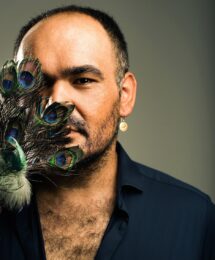
Dinçer Güçyeter
Dinçer Güçyeter, born in Nettetal in 1979, is a poet, editor, and publisher.

Dinçer Güçyeter, born in Nettetal in 1979, is a poet, editor, and publisher.
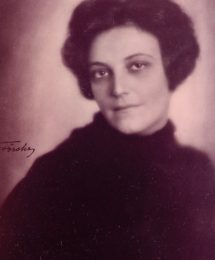
Mela Hartwig is one of the great unknown authors, a modernist and feminist, whose career was destroyed by the nazis.


Ilse Helbich »finds words for the unspeakable«. (Der Standard)

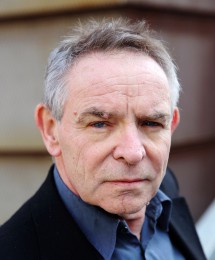
Wilhelm Hengstler, born in Graz in 1944, is considered one of the authors of the so-called Grazer Gruppe
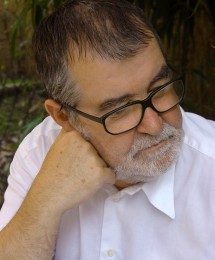
Hoffer, one of the first recipients of the Döblin award in 1980, creates, in his narratives, labyrinthine worlds in which stifling claustrophobia and cold realism counterbalance each other.
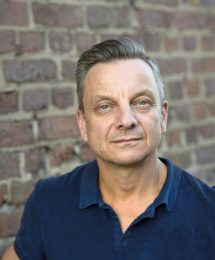
»Jonigk deals with all topics by means of drastic wit.« (Der Spiegel, German weekly magazine)

Anna Kim explores the concepts of ›foreign‹, she searches for the right words and sentences to describe the ›different‹.

»With its consequence and language Carter is remarkable. Literature as an adventure – Ally Klein shows how it goes.« (Wolfgang Huber-Lang, APA)

Gertraud Klemm’s eye is merciless, vicious and comical at the same time.

»Alfred Kolleritsch is a friendly person with quite a vicious look.« (Peter Handke)

Friedrich Kröhnke »created in the past 25 years his very own idiom … a sense for linguistic intensity and narrative dramaturgy, which is very rare these days.« (Tobias Lehmkuhl, Deutschlandradio)

Kronenberg skilfully evokes the secrets, menaces, but also the magic of a foreign and lonely world.

Andreas Kurz‘ literature breathes great affection for people and things and for everything that occurs to us daily.
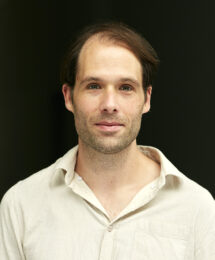
»With poetic courage, Mischa Mangel confronts mortality without losing sight of life. Between the short, differently voiced passages, he skilfully unfolds a tension that drives the narrative and lends urgency to existential questions.« (Esther Kinsky)

Roman Markus’s Thingy, or Tomorrow we turn to dust is a »pretty good summer novel full of wit, drive and frenzied action.« (Jenaer Stadtmagazin)

»Karoline Therese Marth plays with collective childhood memories and associations and spins a text structure with linguistic accuracy that leaves plenty of room for subtle humour and nuances.« (Judith Hoffmann, Ö1)
Sie sehen gerade einen Platzhalterinhalt von Facebook. Um auf den eigentlichen Inhalt zuzugreifen, klicken Sie auf die Schaltfläche unten. Bitte beachten Sie, dass dabei Daten an Drittanbieter weitergegeben werden.
Mehr Informationen